Lost Customers
- Data, Strategy, Systems
Many businesses are retention-based - relying on repeat customers for much of their trading volume and profitability. For these businesses losing customers is a costly yet unavoidable reality. Effective customer service and Churn Prevention processes can minimise the frequency of these losses but some customers will still stop their purchases, due to factors such as changes in their requirements and effective marketing from competitors. A Lost Customers process is a framework used to identify, investigate and win back these customers. Applied successfully these processes can not only win back customers, but can also provide insight into areas of improvement across an organisation.
Lost customers are an extremely valuable asset to any business. While new leads are essential for growth, selling to previous customers costs less and in many cases provides higher returns.
There are three key reasons for this:
Lower Acquisition Cost: Previous customers sit in the middle of the Marketing Funnel - they are already aware of your
business and familiar
with its offerings. In acquiring the business of such a customer you can bypass the top-of-funnel activities, saving substantial costs.
Pre-Established Trust: A former customer is already assured of your product/service quality and brand values. They do not need to be convinced that you are a legitimate business,
which reduces the length of the sales cycle and the associated costs.
Customer Data: Acquiring new leads is to an extent a gamble - they can be profiled but without any real information about their purchasing behaviour there is no way to accurately
assess their potential value. This is not the case for previous customers - these provide a wealth of data and insight into their tendencies and behaviours which can be used to quantify
their likely value, and through more detailed analysis their Lifetime Value. This analysis can be used to ensure
only valuable customers
are targeted, their acquisition costs are appropriate and that they fit with the long-term goals of the business.
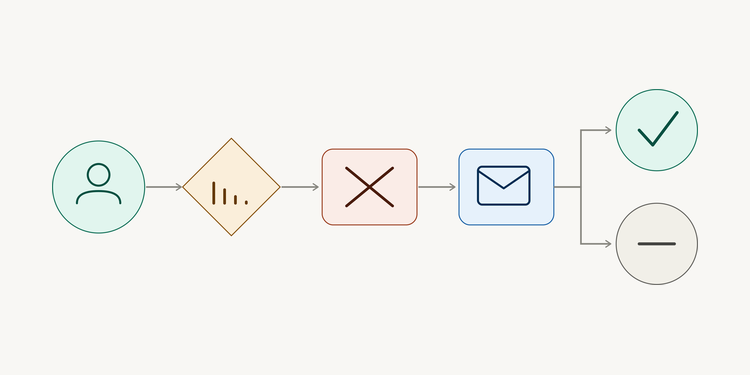
A Lost Customers Process is typically broken down into several core stages:
1. Identification & Segmentation:
Monitor Sales & CRM data to flag inactive accounts. Segment them by factors such as Lifetime Value
& last purchase date, to immediately provide some insight into their value.
2. Investigation & Feedback:
Contact the customer to discover exactly why they left. This is often done via exit surveys, feedback forms, or personalized follow-ups.
3. Targetted Re-engagement:
Initiate predefined 'win-back' campaign. This consists of a structured process multiple contacts with attempts to re-engage and can include special offers, discounts and upgrades.
4. Long-term Retention:
If the customer does return, steps are taken to monitor their satisfaction closely, with particular interest on any identified pain-points. This is continued over a sustained period to
ensure the realisation of the value predicted when incurring the cost to re-engage.
The introduction of a Lost customers process can begin with simple steps, and in fact many businesses will naturally complete some of the above steps without any recognition of a formal process. Organising this into a structured process is a low-cost high-return strategy to increase the value of a customer base and works to incrementally address issues impacting this.